
Thin spaces: death, grief, and celebration
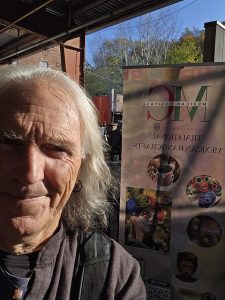
This past weekend on one of those glorious sunny November days, my son and I had planned a walk along the Beltline rail trail in mid-town Toronto, to go visit the Evergreen Brickworks, a former brick factory along the Don River, repurposed as a community environmental centre and public space.
Upon entry, it quickly became apparent to me that a public celebration was underway. Unknown to us, we had arrived at the annual Together in Grief and Dia de los Muertos (The Day of the Dead) celebration.
I had been sitting on writing a piece about the Celtic beliefs of thin space that underpin our current celebration of Halloween. A thin space is where the veil between the living and dead is porous and the movement of spirits between those worlds was possible. The threshold between those two worlds, a thin space, is a type of liminal space and humans, both ancient and modern, have aversions to those in between places. Ancient and modern religions have seized on humans’ sub-conscious fears of liminal spaces and have developed rituals to help us “over” those periods of transition. Costumes to hide from those spirits, light to protect oneself and the idea of treats to provide favour to those spirits became the modern celebration of the Celtic holiday Samhain. And yet, as interesting as this story is, its modern version trivializes those deeper human needs.
Witnessing this celebration at the Evergreen Brickworks encouraged me to re-examine this idea of thin spaces and how they can address those paradoxical needs to grieve and celebrate the lives of loved ones.
. Good Mourning Festival at the Brickworks
“The festival invites the public to come together to reclaim death as a special part of life. This event is dedicated to exploring and honouring the significance of mourning in public spaces. In a world where grief is often private and hidden, the Good Mourning Festival invites you to celebrate the profound communal aspects of mourning.” (“Good Mourning Festival 2025”, evergreen.ca)
It is in this public realm where the magic happens. Death and grief celebrated openly is not something common in our modern societies. As we arrived, the sound of joy predominated. My curious mind began trying to contextualize this palpable experience of joy around this event. Music, food, and community were coming together in celebration but all the while it was a celebration still tethered to death and grief. It was a reclamation of death as part of life.
The Mexican celebration of the Day of the Dead draws on ancient Aztec beliefs, as well the Roman Catholic churches’ celebration of All Souls Day and is one of those interesting amalgams of cross-cultural beliefs that imparts a new interpretation.
Ancient Aztecs believed that the border between the physical world and the spiritual would dissolve, allowing departed souls to awaken and return to the physical world. Here they would feast, drink, dance play music with their loved ones. These traditions remain in the more modern celebrations of the Day of the Dead.
After seeing how another culture saw death, I wondered, is there an element of shame in how we view death and grieving?
We often are uncomfortable with showing or witnessing public displays of emotions that occur around death and grieving. There is an uncertainty how we should function as there seems to be a set of norms to follow that may or may not reflect what we are personally feeling. To avoid this shame, we make grieving a private, personal experience. Through our funeral practices, such as embalming, closed caskets and cremation, the physical reality of death is hidden from us.
Meghan O’Rourke in her book, The Long Goodbye, summarizes this struggle after her mother died:
“In the days following my mother’s death, I did not know what I was supposed to do, nor, it seemed, did my friends and colleagues.” (“Breaking the silence on death and grieving – Be Ceremonial”)
Death and the grieving process remains as one of our last taboos, but like most things when we shine a light on these beliefs, we can find a new way to imagine those beliefs. Shame exists where secrecy and silence predominate. Festivals like the “Good Mourning Festival” showed how public celebration can affirm death as a part of life.